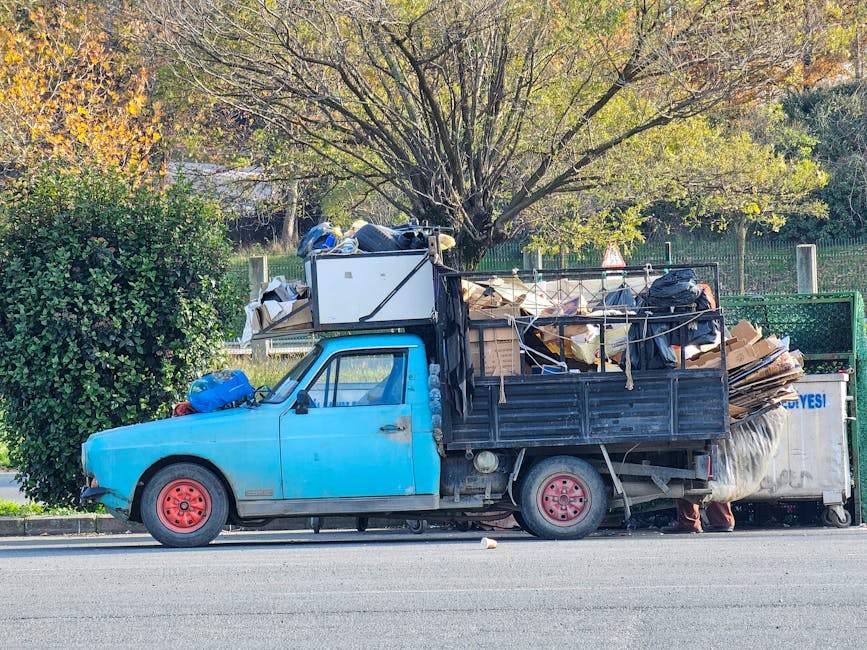
Prep your home fast for same-day rubbish collection
When you need rubbish gone today, speed matters-but so does preparation. A well-prepared home makes same-day rubbish collection faster, safer, and far less stressful. It can also help avoid delays, missed items, access problems, and last-minute sorting while the team is waiting at the kerb.
This guide shows you exactly how to get ready in a hurry, what to prioritise first, and which mistakes waste the most time. Whether you are clearing a flat, a house, a loft, a garage, or just a few bulky items, the same basic principle applies: sort smart, create access, and make the load easy to remove.
For a smoother booking experience, it can also help to review pricing and quotes before you confirm, especially if you are clearing a larger load or multiple item types. And if you want reassurance about the company handling the collection, useful trust pages such as health and safety standards and insurance and safety are worth a look.
Expert summary: The quickest same-day jobs are not the ones with the least rubbish; they are the ones where the home is ready, the access is clear, and the waste is grouped in a way the crew can lift and load immediately.
Table of Contents
- Why prep matters
- How same-day collection works
- Key benefits and practical advantages
- Who this is for and when it makes sense
- Step-by-step guidance
- Expert tips for better results
- Common mistakes to avoid
- Tools, resources and recommendations
- Law, compliance, standards and best practice
- Options, methods and comparison table
- Case study or real-world example
- Practical checklist
- Conclusion
- Frequently asked questions
Why Prep your home fast for same-day rubbish collection Matters
Same-day rubbish removal is all about efficiency. The collection window may be tight, the crew may be working to a packed route, and your job may be one of several stops in a short day. If the home is not ready, small problems quickly become time-consuming ones: blocked hallways, items still in cupboards, broken-down furniture not dismantled, or parking that has not been thought through.
Preparation matters because waste collection is not just a lifting job. It is a logistics job. The team needs to identify what is going, where it is, how to reach it, and whether anything needs special handling. A pile of mixed items in a narrow hallway can take longer than a larger pile neatly placed by the front door.
There is also a practical safety angle. Clear access reduces trip hazards. Sorting sharp, heavy, or awkward items in advance lowers the risk of damage to walls, flooring, and the items themselves. If you are clearing a property quickly, that is one of the easiest ways to protect both your home and the people working in it.
If you are comparing service types, it may help to understand the difference between a general rubbish removal service and more focused services such as bulky waste collection or bulk waste collection. The more clearly your load is grouped, the easier it is to match the right service.
How Prep your home fast for same-day rubbish collection Works
In simple terms, the process works like this: you identify what needs to go, make it easy to access, and separate anything that needs special treatment. From there, the collection team can assess the load, carry it out safely, and dispose of it appropriately.
For same-day visits, the time between booking and arrival is short, so the job starts before the van reaches your street. A good prep process usually follows this sequence:
- Confirm the waste type. General rubbish, furniture, garden waste, white goods, and mattresses can all have different handling requirements.
- Gather items in one place. Move them to the front garden, driveway, hall, or another agreed access point if possible.
- Protect access routes. Remove bikes, shoes, boxes, pets, and anything else that could slow movement.
- Flag special items. Fridges, freezers, and some electricals may need separate handling.
- Keep documents or valuables away. This is especially important in a loft clearance or house clearance.
- Be ready when the crew arrives. The faster the handover, the faster the load can be removed.
This is where same-day jobs often succeed or fail. The collection itself may only take a short time, but the prep determines whether it is a smooth ten-minute handover or a half-hour scramble.
If you live in a flat or a property with shared access, it is worth thinking about stairwells, lifts, loading bays, and entry codes. A service such as flat clearance is especially useful when access is tight and timing needs to be efficient.
Key Benefits and Practical Advantages
The biggest benefit of proper preparation is speed. But there are several other advantages that matter just as much in real life.
1. Faster loading and less disruption
When items are grouped and access is clear, the crew can load more quickly. That means less time with doors open, less disruption for neighbours, and less of a bottleneck around entrances or shared paths.
2. Lower chance of missed items
Same-day bookings can feel rushed. A simple pre-check list helps you avoid accidentally leaving behind old chair cushions, broken lamps, or items tucked in the shed. If you are clearing a room at short notice, missed items are one of the most common frustrations.
3. Better handling of awkward waste
Some items need a bit of planning: a mattress, a fridge, a wardrobe, or a sofa can be cumbersome. Preparing them in advance makes life easier. For example, a mattress collection or sofa removal job is much quicker when the item is already near the exit and not wedged behind other furniture.
4. Reduced risk of damage
Nothing ruins a quick clearance faster than scratched walls or scuffed floors. A clear route and sensible stacking reduce the chance of knocks and trips. It sounds minor, but on older staircases or narrow hallways, the difference is noticeable.
5. More predictable pricing
When the load is described accurately and the waste is ready to inspect, quoting is usually more straightforward. For larger clearances, a clear picture of the volume can make it easier to get accurate guidance from waste collection or waste removal teams.
| Preparation level | Typical result | Best for |
|---|---|---|
| Minimal prep | Slower loading, more questions, higher chance of delays | Very small, simple loads |
| Basic prep | Reasonable speed, clearer access, fewer mistakes | Most same-day household jobs |
| Well-organised prep | Fast handover, efficient loading, less disruption | Busy homes, flats, larger mixed waste |
Who This Is For and When It Makes Sense
Same-day rubbish collection is not only for emergencies. It makes sense in a surprising number of everyday situations.
You may benefit if you are:
- moving house and need last-minute items removed
- clearing a room for decorators, trades, or new furniture
- emptying a loft, garage, or shed that has become unmanageable
- dealing with bulky items that will not fit in a car
- preparing a property for rent, sale, or end-of-tenancy handover
- tidying after a delivery, renovation, or home project
- removing one-off items like a mattress, sofa, fridge, or old wardrobe
It also makes sense if council collection timing does not suit your deadline. A council service can be useful, but it is often not ideal when you need a fast turnaround. If you are weighing options, pages such as council large item collection and council waste collection can help you compare what is offered and what level of speed you actually need.
In London, timing and access can be especially important. Tight streets, parking restrictions, and shared entrances can turn a simple removal into a juggling act. A locally focused service such as waste collection in London may be more practical when speed is the priority.
Step-by-Step Guidance
If you only have a short window to prepare, follow this order. It is designed to save time, not to make the house look showroom-perfect. Truth be told, no collection team is expecting that.
Step 1: Decide what is definitely going
Walk through the property with a bin bag or a notepad. Mark items that are leaving and items that are staying. Be strict. If you are unsure about something, put it in a separate "maybe" pile rather than letting it delay the whole job.
Good candidates for the removal pile include damaged furniture, old appliances, broken garden items, packaging from a big delivery, and clear clutter from a garage or loft. If the pile includes a lot of household furniture, a dedicated furniture clearance or furniture disposal service may be the cleanest route.
Step 2: Separate waste by type
Mixing everything together usually slows things down. Try to keep these categories apart where possible:
- general household rubbish
- bulky furniture
- garden waste
- appliances and white goods
- mattresses and beds
- DIY or builders waste
This does not need to be perfect. It simply helps the crew assess the load and avoid handling delays. For example, a fridge should not be buried under cardboard, and a mattress is easier to move if it is not trapped behind a pile of boxes.
Step 3: Clear the route
Make sure the path from the waste to the exit is as clean and wide as possible. Move shoes, coats, toys, bags, and loose cables. If you have pets or small children, keep them away from the work area while loading is happening. It is a small thing that prevents a lot of chaos.
Step 4: Move items to the agreed pickup point
Where safe and practical, move items to the front of the property, driveway, garden gate, or another pre-agreed collection point. If you live in a flat, this might be the building entrance or a loading area. The less distance the crew has to carry each item, the smoother the job becomes.
Step 5: Handle special items separately
Some items deserve extra attention. White goods, for instance, can need appliance-safe handling. If you have a fridge or freezer, a service such as fridge disposal or white goods recycle is usually more appropriate than treating it like general rubbish.
Similarly, beds and mattresses can be awkward and may need dedicated handling. Consider bed disposal or mattress collection if those are part of your load.
Step 6: Remove anything you want to keep
This sounds obvious, but it is one of the easiest mistakes to make when you are rushing. Check drawers, shelves, under beds, inside wardrobes, and the backs of cupboards. Small valuables, paperwork, chargers, tools, and memory-filled bits and pieces have a habit of hiding until the very end.
Step 7: Be ready for arrival
When the team arrives, be available to answer quick questions. A brief walkthrough often saves more time than a longer text message exchange. If your collection is part of a bigger home declutter or house move, services such as home clearance or house clearance may be useful because they fit broader clear-out needs rather than a single item only.
Expert Tips for Better Results
Once the basics are handled, a few small choices can make same-day collection feel almost effortless.
Label zones, not every item
If you have time, use simple labels like "rubbish," "furniture," "keep," and "maybe." You do not need to label every broken chair leg. The goal is clarity, not office administration.
Stack smarter, not higher
A tidy, stable pile is more useful than a tall one that might topple. Flat items should sit against a wall or fence. Heavier items should stay at the bottom. If a pile looks unstable, rework it before the crew arrives.
Plan for parking early
Access often matters more than the actual lift. If the van cannot park nearby, everything takes longer. On tight streets, think ahead about permits, loading space, and where the vehicle can stop without blocking traffic. For properties in busy areas such as central districts, this can make a huge difference.
Take photos if the load is unusual
If you have lots of mixed waste, stairs, or very large items, a quick photo can help the provider understand the job before arrival. That is especially useful for larger clearances such as waste clearance or rubbish clearance where volume and access affect the approach.
Keep a "last check" basket
Before the collection team arrives, put all the items you still need to decide on into one basket or box. That prevents accidental removal and gives you a final checkpoint. It also saves that awkward moment where you realise a laptop charger has somehow joined the old curtain rail.
Use the right service for the item
Some jobs are faster when matched to the right category from the start. For example, a sofa is easier to quote and remove via sofa collection or sofa removal. A loft full of mixed items may need loft clearance. Matching the service to the job usually leads to fewer surprises.
Common Mistakes to Avoid
Most delays on same-day jobs come from a handful of predictable mistakes. Avoid these and your collection will feel much more straightforward.
- Leaving sorting until the crew arrives. This is the fastest way to lose time.
- Mixing keep and remove items together. It creates confusion and increases the risk of accidental disposal.
- Blocking hallways, stairs, or doors. Narrow access slows movement and can create safety issues.
- Forgetting about parking or access codes. A locked gate, missing code, or unsuitable stopping point can delay the whole appointment.
- Hiding heavy items behind lighter clutter. Better to place awkward pieces somewhere accessible from the start.
- Ignoring special-item requirements. Fridges, mattresses, and certain electrical items should be discussed in advance.
- Not checking lofts, sheds, and cupboards. Small surprises always seem to appear at the worst possible moment.
One more thing: do not overpack bags if you are clearing smaller rubbish. Split heavy bags into manageable loads. It is safer, and the crew will thank you for it even if they do not say so out loud.
Tools, Resources and Recommendations
You do not need much to prepare a home quickly, but the right basic tools help a lot.
- Heavy-duty bin bags for loose household waste
- Marker pens or tape for simple labels
- Gloves for handling dusty or rough items
- Box cutter or screwdriver if furniture needs minor dismantling
- Cleaning cloth or dustpan for clearing pathways
- Phone camera for photos of awkward loads or access points
If you are comparing services or want to understand the value of a faster, on-demand visit, review pricing and quotes alongside the item-specific service pages. That helps you judge whether a same-day collection is better than waiting for a later slot or a council pickup.
For householders who care about where the waste ends up, it is also sensible to look at recycling and sustainability. Responsible disposal is not just a nice extra; it is often part of choosing the right provider in the first place.
Law, Compliance, Standards, or Best Practice
Waste removal in the UK should be handled carefully and by providers operating within the relevant legal and safety framework. You do not need to become an expert in waste legislation to book a collection, but you should expect a professional service to manage disposal properly and safely.
From a homeowner's point of view, the key best-practice points are straightforward:
- do not leave waste in a way that blocks access, shared paths, or emergency exits
- keep sharp or broken items secured
- separate any materials that could need special handling
- be truthful about the type and amount of waste
- use a provider that is transparent about safety, payment, and terms
For trust and peace of mind, useful supporting pages include payment and security and terms and conditions. These do not just protect the business; they help set fair expectations for the customer too.
If you are arranging a large clearance, such as a full property emptying or an office move, provider background matters. Pages like about us and contact us can be useful for checking how a company works before you confirm the booking.
Options, Methods, or Comparison Table
There are usually three sensible ways to deal with unwanted items quickly. The right one depends on volume, urgency, and how much lifting you want to do yourself.
| Option | Best for | Main drawback | Typical prep needed |
|---|---|---|---|
| Same-day rubbish collection | Fast removal of mixed household waste and bulky items | Needs quick access and clear communication | Moderate |
| Council collection | Low-urgency item removal where timing is flexible | Can be slower and more restrictive | Low to moderate |
| Self-haul to a disposal site | Small loads when you have the vehicle and time | Physical effort, travel time, and disposal logistics | High |
For many households, same-day collection is the sweet spot: faster than council routes, easier than self-haul, and less disruptive than trying to manage a large clear-out over several days. If you are unsure which route fits your situation, compare the scale of the job against options like large item collection and bulky waste collection.
Case Study or Real-World Example
Picture a typical Saturday morning in a two-bed flat. The tenant has a new sofa arriving in the afternoon, an old mattress leaning in the spare room, boxes from flat-pack furniture stacked in the hallway, and a freezer that no longer works. The collection needs to happen today so the new delivery can go in without chaos.
The fastest way to handle it is not to drag everything into the middle of the living room and hope for the best. Instead, the tenant does three things first: they separate the items by type, clear the path from the spare room to the front door, and move the sofa and mattress close to the exit. They also keep the freezer visible and tell the crew about it in advance.
When the team arrives, the handover is quick. No one is rummaging through cupboards. No one is moving laundry baskets out of the way. The job is done before the delivery window opens, which means the rest of the day stays calm. That is the difference preparation makes.
In a larger property, the same principles apply. A cluttered garage, a loft full of mixed boxes, or a room of old furniture can be handled surprisingly efficiently if the waste is grouped, access is clear, and the job is described accurately from the start.
Practical Checklist
Use this quick checklist if you need to get ready in a hurry:
- Confirm what is being removed
- Separate keep, donate, and dispose piles
- Group waste by type where possible
- Clear hallways, stairways, and doorways
- Move items to a sensible pickup point
- Check for valuables, paperwork, and chargers
- Flag mattresses, fridges, sofas, or other awkward items
- Confirm parking or access details
- Keep pets and children away from the loading area
- Stay available for quick questions when the crew arrives
If the job is bigger than expected, do not panic. A professional team can usually adapt, but the smoother your prep, the faster everything moves. And faster usually means better value for you.
Conclusion
Preparing your home quickly for same-day rubbish collection does not have to be complicated. The essentials are simple: sort the waste, clear the route, group items sensibly, and make access easy. Do that well and the collection can feel surprisingly smooth, even if you only started preparing an hour before the van arrived.
The real win is not just speed. It is reducing stress, avoiding last-minute confusion, and making sure nothing important gets taken by mistake. Whether you are clearing a room, removing a sofa, disposing of a fridge, or dealing with a whole-house tidy-up, a little preparation pays off immediately.
If you want a faster next step, choose the right service, check the practical details, and get your quote sorted early. That way, when the team turns up, you are ready to hand over the job and get on with the rest of your day.
Get a free quote today and see how much you can save.
Frequently Asked Questions
How do I prepare for same-day rubbish collection in the fastest way?
Start by separating what is going from what is staying, then clear the path to the pickup point. Group similar items together and keep special items like fridges or mattresses visible.
What should I move out of the way before the collection team arrives?
Move shoes, boxes, bikes, cleaning tools, pet items, and anything blocking doors, stairs, or hallways. The goal is to give the crew a straight, safe route to the waste.
Do I need to bag all rubbish before collection?
Not always. Loose items can often be handled as they are, but bagging smaller waste helps keep things organised. Heavy bags should not be overfilled, especially if they need carrying downstairs.
Can I leave items on the kerb for same-day collection?
Only if that has been agreed in advance and it is safe and permitted. In many cases, it is better to keep items at the property boundary or another agreed access point rather than on the pavement.
What if I have a fridge, mattress, or sofa to remove?
Those items are easier to manage when identified early. Dedicated pages such as fridge, mattress, or sofa services can help you choose the right handling method and avoid delays.
How much notice do I need for same-day rubbish removal?
That depends on availability and your location. Same-day bookings are often possible when the route, access, and waste type are clear, but you should book as early as you can.
Is same-day collection better than council rubbish collection?
If speed matters, usually yes. Council collection can work well for planned disposal, but it is less flexible. Private same-day collection is often the better choice when you need the waste gone today.
How can I make loading safer?
Keep walkways clear, secure sharp items, and do not stack unstable piles. If a piece of furniture is too heavy to move safely, leave it for the collection team rather than attempting a risky lift.
What items should I mention when getting a quote?
Mention bulky furniture, appliances, mattresses, garden waste, builders waste, and anything awkward to carry. Accuracy helps the provider estimate the job more reliably.
Can I combine several types of waste in one booking?
Often yes, as long as the provider can accept the items and the load is described clearly. Mixed household waste, furniture, and some appliances can usually be collected together if handled properly.
What is the most common mistake people make before a quick collection?
They leave sorting until the last minute. That usually causes confusion, slows the crew down, and raises the chance of something important being removed by mistake.
How do I know whether my job needs a full clearance service?
If you are clearing multiple rooms, a loft, a garage, or an entire property, a broader service such as home clearance, house clearance, or flat clearance may be more appropriate than a single-item pickup.
Should I check the company's safety and payment information first?
Yes, especially for same-day bookings. Pages covering safety, insurance, payment security, and terms are useful because they help you understand how the service works before you commit.