Waste Removal in London
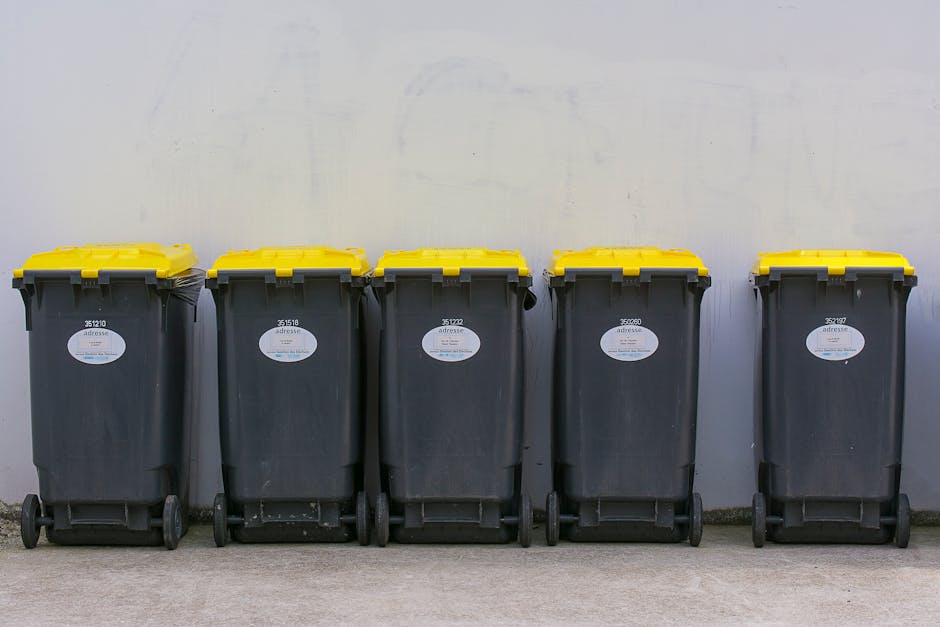
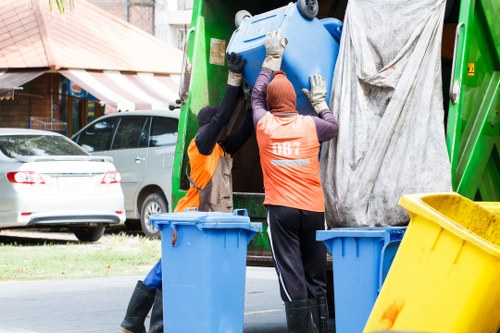
Toms Waste provides waste removal in London for households, landlords, offices and commercial premises that need bulky items, general rubbish or mixed loads taken away with care. The service is built around practical collection and clear disposal of everyday waste streams, with options that can cover single items, room contents or larger clearances where the load is too awkward for normal bins. Our focus is straightforward, legal removal that helps customers clear space without unnecessary disruption.
We handle a range of common removal work, including furniture, mattresses, white goods, garden waste and builder’s debris, depending on the job and access. Where a property has several types of waste in one place, the service can usually be planned as one collection rather than several separate visits. If you are comparing options, you can review our pricing and quotes information alongside the service pages to understand the kind of work we cover.
The simplest way to begin is to describe what needs removing, how much there is and where it is stored. A short note about access, floor level and any heavy or fragile pieces helps us shape the collection properly. If the load contains items with different disposal routes, we can separate those parts and explain the likely approach before you go ahead. For a wider view of our main removal work, see our waste removal page.
Household clearances and bulky item collection
Domestic waste removal often involves more than one type of item, so we make room for combinations rather than forcing every job into a single category. A sofa, wardrobe, bed base and bags of unwanted clutter can often be cleared together if the access is suitable and the items can be removed safely. For one-off clear-outs, a well-organised visit is usually more practical than trying to manage several smaller removals over time. That saves handling, time and uncertainty for many homes.
Bulky item work is also useful when a customer only needs help with a few large pieces. We can collect items such as tables, chairs, cabinets, mattresses and appliances, and the service can be matched to the quantity rather than to the number of rooms in the property. The exact collection method depends on the item type, weight and condition. To see a closely related service, look at our bulky waste collection page for a more specific description of that kind of work.
When you are planning a household job, it helps to decide which items stay and which ones are ready to go. A short inventory, photos and a note about stairs, parking or restricted access make it easier to set out the job correctly. You do not need to over-explain the situation; a clear list is usually enough. If you want to compare a smaller item-focused option, our large item collection page is a useful place to start.
Furniture, beds and mattress removal

Furniture removal is one of the most common reasons people contact us, particularly when items are too bulky to move without help or too worn for reuse. We collect sofas, armchairs, tables, wardrobes, cabinets and similar pieces, with the aim of removing them cleanly and without leaving the rest of the property untidy. For customers with a full room or several rooms to empty, furniture can be removed as part of a broader clearance rather than item by item.
Bed and mattress disposal needs a sensible approach because these items are awkward in stairwells and often need careful handling through tight spaces. We can remove bed frames, bases and mattresses as separate pieces or together where they belong to the same set. If the furniture is mixed with other waste, that can often be included in the same collection if it is safe to do so. The related mattress disposal page gives a clearer view of that specific service area.
For larger upholstered items, the route through the property matters as much as the item itself. It is helpful to note narrow halls, lifts, shared entrances or limited parking before the visit is arranged. Where one item is especially heavy or difficult to dismantle, the job may need to be scoped more carefully so the collection can be completed properly. See also our sofa removal page for a more focused description of sofa work.
House clearance, flat clearance and loft clearance
House clearance work is suited to properties that need a more complete emptying of contents, whether after a move, refurbishment, letting change or general declutter. The collection can include furniture, boxed items, general household rubbish and other domestic waste that has built up over time. Where there is a clear distinction between reusable belongings and waste, the job can be planned so that the removal side is handled efficiently and responsibly. Our house clearance page provides a broader view of that service.
Flat clearance usually needs a little more attention to shared access, lifts, stairs and timing because multi-occupancy buildings can create practical limits on loading and movement. We work with the layout of the property rather than assuming every flat is simple to clear. Loft clearance can be a different task again, because items are often stored loosely, awkwardly or in dusty conditions that make lifting slower. You can look at our flat clearance and loft clearance pages for the service distinctions.
For most clearance jobs, the best preparation is to separate what must be kept from what can go. If there are fragile items, documents or valuables mixed into stored contents, it is sensible to set those aside in advance. A little sorting reduces mistakes and helps the collection run more smoothly. Where the work is broader than one room, our home clearance page may be helpful as a general reference point.
Garden, garage and builders waste

Outdoor and project waste can build up in awkward ways, particularly after cutting back shrubs, clearing a shed or finishing small building work. We collect garden waste such as cuttings, branches, soil in limited amounts and general outdoor clutter where it can be loaded safely. For garages, the service can cover tools, old storage, mixed household items and other accumulated material that no longer has a use. Our garden clearance page sets out the outdoor side of the work more plainly.
Builders waste clearance is best for leftover material after construction or renovation, such as offcuts, packaging, broken fixtures, tiles, timber and other non-hazardous debris. The exact mix matters because some materials are heavier, dustier or more awkward to handle than others. We can deal with mixed renovation waste where it is suitable for collection, but the load should be described accurately so the job is approached correctly. See builders waste clearance for the specific service.
Where a property produces several waste types at once, combining them into one planned collection can be more practical than dividing the work. That is especially true when access is limited or the items are spread across a garden, garage and utility area. If you are unsure how to describe the load, list the main categories first and then add anything unusual. For general non-structural waste, our rubbish clearance page is a useful related option.
Bulk waste, rubbish and general disposal choices
Some customers need a simple bulk waste solution rather than a room-by-room clearance. That can mean sacks, bags, loose items or mixed rubbish that has become too much for routine household disposal. We offer removal that can be tailored to the size and nature of the load, whether the work is being done at a home, shared property, business unit or storage space. The bulk waste collection page is a good match for this kind of mixed-load work.
Where the waste is more ordinary and does not fall into a specialist item category, the service can remain broad and practical. That includes general rubbish removal, non-hazardous mixed waste and occasional clear-outs that are not part of a larger project. The purpose is to handle the material responsibly and leave the area ready for its next use. If you want a broad catch-all description, our waste clearance and waste collection pages give a helpful overview.
For a better enquiry, it is worth grouping the load into obvious parts, such as bags, furniture, electrical items or garden cuttings. Clear grouping usually makes pricing conversations easier and reduces the chance of missing something important. You do not need to overcomplicate the request; a brief description of what is present and where it sits is enough to start. If disposal is the main goal rather than removal alone, our waste disposal page may also be relevant.
Office, business and commercial waste removal
Business waste removal is different from domestic work because it often needs an orderly collection around trading hours, premises rules or the need to keep work moving. We can remove unwanted office furniture, surplus equipment, packaging, archive clutter and other non-hazardous waste from commercial locations. The emphasis is on an organised, practical collection that fits the site rather than adding to disruption. Our business waste removal page explains this service area more directly.
Office clearance can involve desks, chairs, filing units, electronics and general workroom contents, especially when a department is downsizing or being reorganised. Some items may be straightforward to collect, while others require more attention to access and dismantling. We aim to remove what is no longer needed while keeping the process sensible for the premises. If your enquiry is office-specific, see the dedicated office clearance page for a closer fit.
Businesses often benefit from giving a fuller description at the start: what type of premises it is, what needs to go, whether items are on one floor or several, and whether the job must work around staff or customers. That information helps with planning and avoids unnecessary back-and-forth. For customers comparing financial details, the pricing and quotes page is the right place to check what to include when asking for a quotation.
Special items: fridges, white goods and other awkward loads
Some items need special handling because they are heavy, sealed, fragile or difficult to move safely. White goods such as fridges, freezers and washing machines are a common example, as are large appliances that are awkward in corridors or staircases. We can collect these items as part of a larger waste removal job or as a focused collection where only one or two pieces need to go. The white goods recycle page is useful if you want to see that category separately.
Fridge disposal and other appliance removal should be described carefully, especially where the item is built-in, damaged or still positioned in a tight space. The condition of the appliance may affect how it is moved and what access is needed. We do not need a long explanation, but knowing whether the unit is freestanding or integrated helps to shape the work. If this is your main concern, the fridge disposal page gives a more targeted view.
Useful items to mention in any enquiry include the item type, rough quantity, floor level, access restrictions and whether the collection includes mixed waste. A photograph can be helpful, but a simple written description is often enough to begin. Keep the message focused on what is actually there, not what might be there after a sort-out. For another specific item page, our bed disposal service may be helpful.
Recycling, sorting and responsible disposal
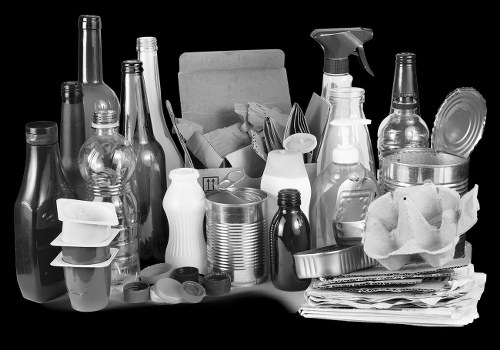
When waste is collected, the next step is not just transport but deciding how different materials should be handled. Mixed loads may contain reusable, recyclable and general waste elements, and those categories are not always obvious at first glance. We work with the material in a practical way so that the removal process remains orderly and the waste is taken on to an appropriate route. Our recycling and sustainability page explains the general approach in more detail.
Not every item can be treated in the same way, and certain materials need a more careful separation than a straightforward rubbish collection. That is why a good description of the load is useful before the job is arranged. It helps avoid surprises on the day and makes sure the collection matches what is actually present. If you want to understand the business side of our standards, you can also read the health and safety policy and insurance and safety pages.
Customers often ask how to decide between disposal, recycling and clearance. The answer usually comes down to the type of item and the condition it is in. A broken appliance, damaged chair or bagged mixed rubbish will usually follow a different route from an item that remains usable. It is sensible to separate anything you want to keep before the collection is booked. If you need a general point of contact, contact us for a quotation.
About London
London is a large and historically layered city built around the River Thames, with a pattern of settlement that stretches from Roman Londinium through medieval growth to the modern metropolitan region. Its character comes from the contrast between long-established civic landmarks, dense inner districts, post-war estates, business quarters and riverside redevelopment. The city contains a remarkable range of architecture, from the Tower of London, St Paul’s Cathedral and the Houses of Parliament to terraced streets, warehouse conversions and contemporary towers that mark later phases of growth. The Thames itself remains one of London’s defining geographic features, shaping bridges, embankments, wharves and public routes along both banks.
Many parts of London developed as separate villages or towns before being absorbed into the capital, which is why so many place names still preserve older identities. Areas such as Camden, Islington, Greenwich and Westminster each have distinct histories, while smaller districts retain traces of former market streets, industrial yards, railway land or riverside trade. Parks and open spaces are another important part of the urban fabric, including Hyde Park, Regent’s Park, Hampstead Heath and Greenwich Park, each offering a different landscape and set of public uses. London’s cultural life is similarly varied, with theatres, galleries, museums, concert halls and local venues spread across the city rather than concentrated in one place.
The city’s transport network links these districts through Underground lines, rail services, buses, river crossings and cycle routes, reflecting both its size and its continuing role as a national centre. London also has a strong pattern of mixed residential and commercial neighbourhoods, where historic streets sit alongside offices, markets, schools and places of worship. That variety gives the capital a layered sense of place: not one city in a single style, but many neighbourhoods and boroughs connected by long history, repeated rebuilding and a constant flow of people, trade and culture.
Choosing the right collection for the job
The right service depends on what you want removed, how much there is and how the items are positioned. A single sofa calls for a different approach from a full house clearance or a builders waste load. That is why we group services by item type and waste type rather than treating every enquiry as identical. If you are not sure which page fits best, start with the broad waste removal option and then narrow it to the relevant service from there.
For a quote, keep your description concise but specific. Mention the main items, whether they are upstairs or downstairs, if there is a lift, and whether the load contains mixed material. A few clear details will usually do more than a long explanation. If the job involves disposal as well as lifting, it also helps to say whether anything is reusable, recyclable or simply rubbish. This is often the point where customers decide whether to book a single removal or a fuller clearance.
For straightforward enquiries, we can then discuss the practicalities and arrange the most suitable collection. If you are ready to move on, please send the details of your waste removal job in London and ask for a quotation. You can also use our contact us page when you are prepared to go ahead.